
Robotics and Virtual Reality in Neuro-Rehabilitation- Mobility Rehabilitation
Robotics and virtual reality (VR) in neuro-rehabilitation have revolutionized mobility rehabilitation by offering advanced technologies that enhance therapy outcomes and patient engagement. This field integrates sophisticated robotic systems with immersive virtual environments to simulate real-world movements and provide targeted rehabilitation interventions.
Introduction
Neuro-rehabilitation focuses on improving the function and quality of life for individuals who have experienced neurological injuries, such as stroke, traumatic brain injury, or spinal cord injury. Robotics and virtual reality (VR) have emerged as powerful tools in this field, offering advanced methods for retraining movement and enhancing motor recovery.
So, we will now discuss Robotics and Virtual Reality in Neuro-Rehabilitation to learn how and which technologies enhance motor recovery through various ways.
- Robotics and Virtual Reality in Neuro-Rehabilitation- Mobility Rehabilitation
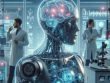
- Images of some of the robotics and VR devices used in neuro-rehabilitation
- 1. Purpose and Benefits
- 2. Common Robotic Devices
- 3. Control Systems and Feedback
- 4. Integration with Virtual Reality
- 1. Benefits of Virtual Reality
- 2. VR Systems in Neuro-Rehabilitation
- 3. Key Components and Technologies
- 1. Motor Control and Functional Improvement
- 2. Protocols and Rehabilitation Strategies
- Fugl-Meyer Assessment Scale (FMA)
- Chedoke-McMaster Stroke Assessment Scale (CMSA)
- Motor Activity Log (MAL)
- Wolf Motor Function Test (WMFT)
- Box and Block Test (BBT)
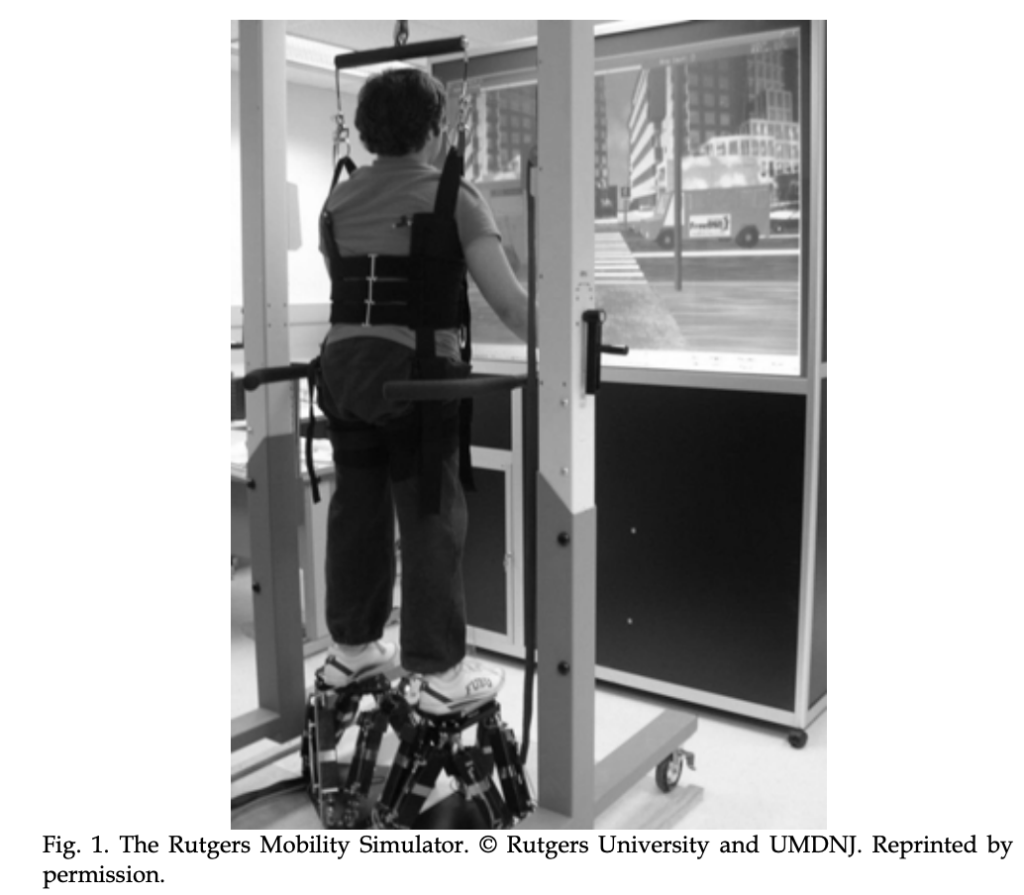
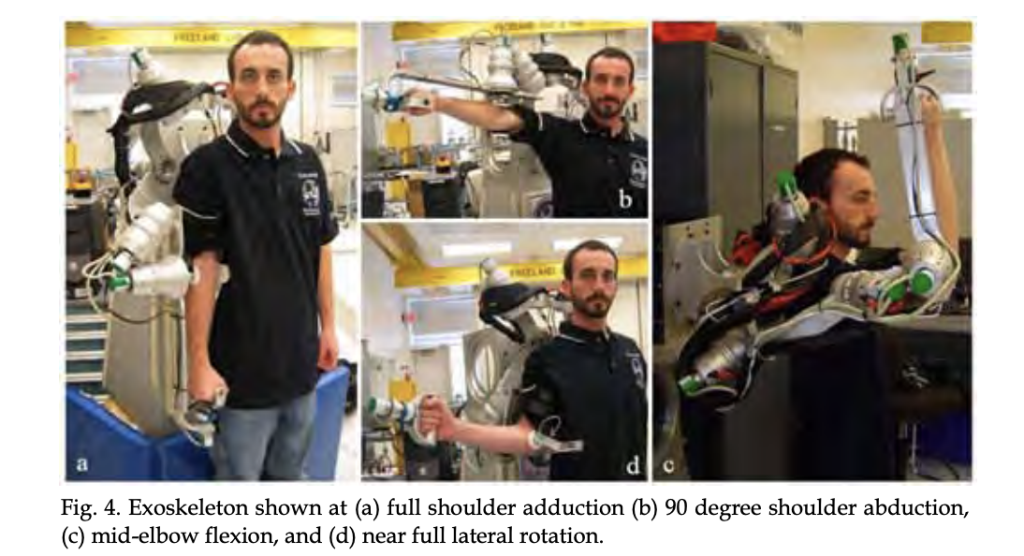
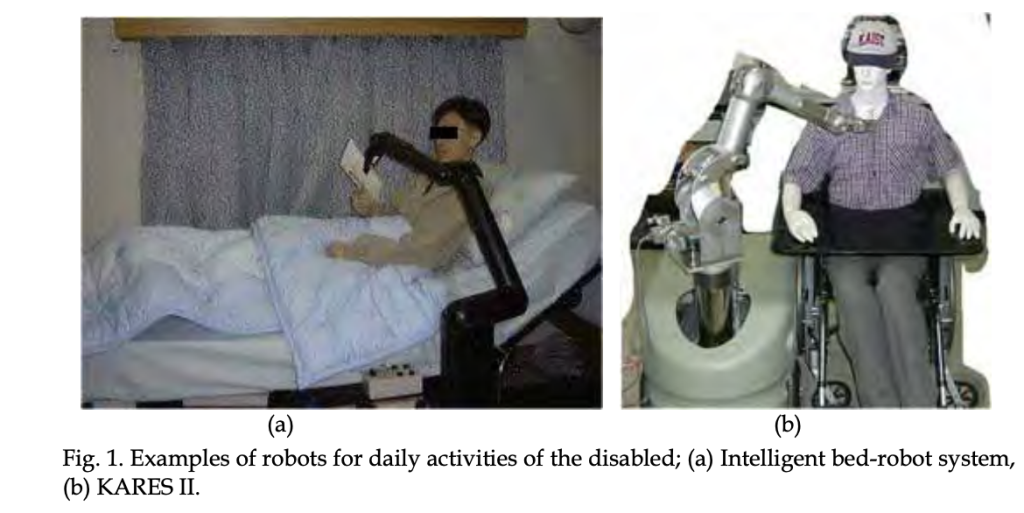
Images of some of the robotics and VR devices used in neuro-rehabilitation
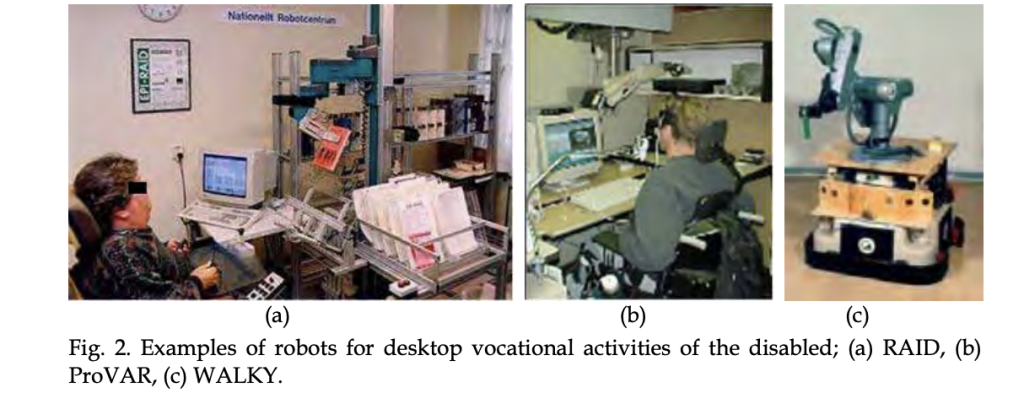

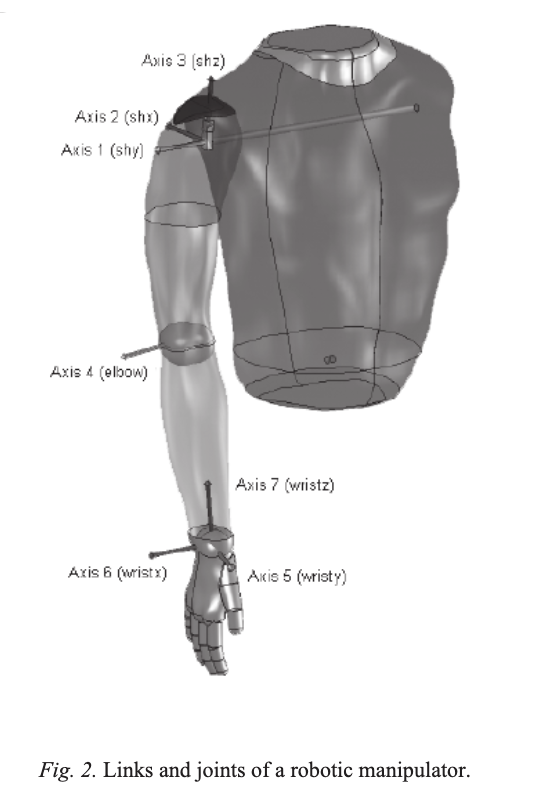
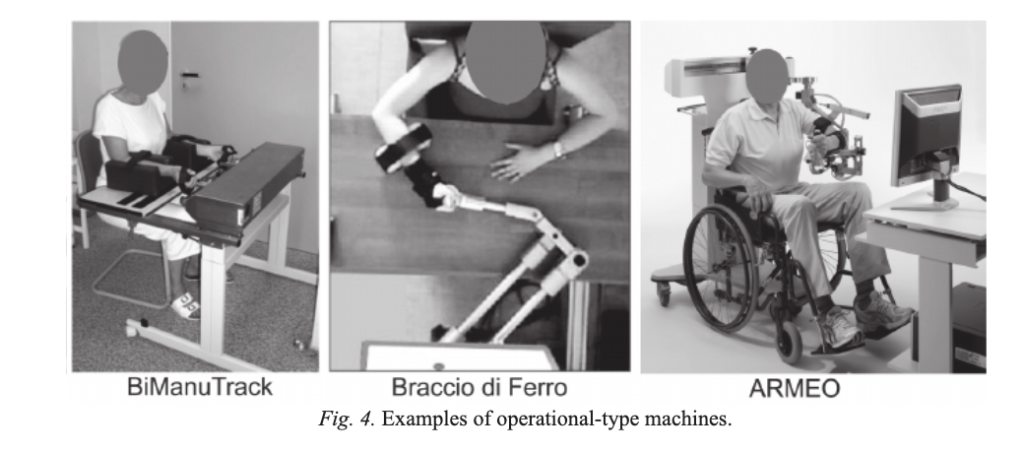
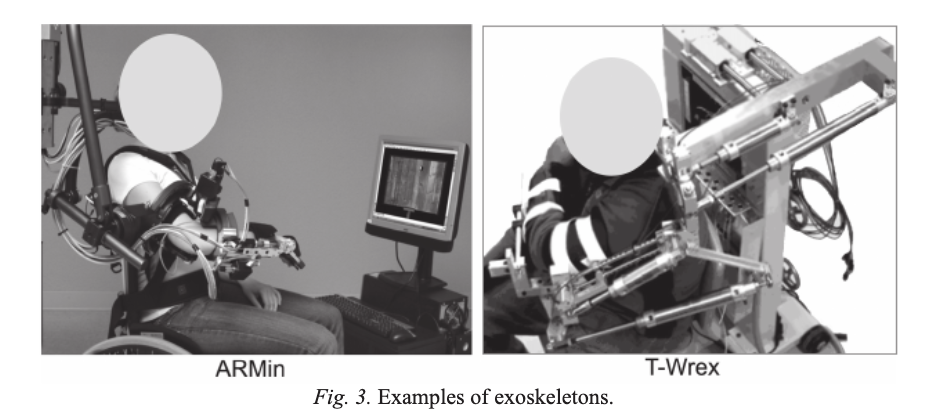
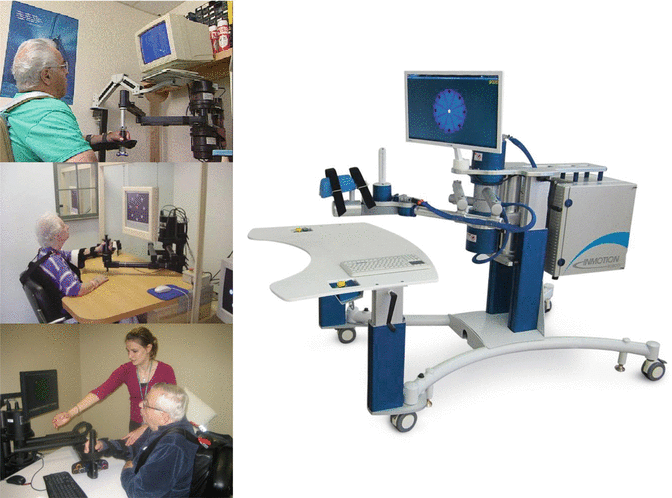
Robotics in Neuro-Rehabilitation
1. Purpose and Benefits
- Primary Goal: The primary aim of using robotics in neuro-rehabilitation is to retrain movement and improve motor control in patients. Robotics provides consistent, repetitive, and intensive training, which is crucial for neuroplasticity and motor learning.
- Advantages:
- Consistency and Repetition: Robots can provide precise and consistent repetitions of movements, which are essential for motor learning.
- Objective Measurement: Robots can objectively measure patient progress and adapt therapy based on real-time data.
- Customizable Training Programs: Robotic systems can be tailored to the specific needs of each patient, providing personalized rehabilitation.
| Benefit | Description |
| Consistency and Repetition | Provides precise and consistent repetitions of movements. |
| Objective Measurement | Tracks patient progress with real-time data. |
| Customizable Training Programs | Tailors therapy to specific patient needs. |
2. Common Robotic Devices
- MIT Manus: Designed for upper limb rehabilitation, it assists in retraining arm and hand movements.
- Lokomat: A robotic gait training system used to assist patients in walking, often combined with body weight support systems.
- InMotion2 Shoulder-Elbow Robot: Focuses on the rehabilitation of shoulder and elbow movements.
- Bi-Manu-Track: Provides bimanual training for stroke patients, improving coordination between both arms.
- Rutgers Mega-Ankle (Dual Stewart platform mobility simulator): A pneumatic robot used for ankle and foot movement retraining, providing resistance and support.
| Name of Robot | Primary Use |
| Lokomat | Gait training and lower limb rehabilitation |
| Rutgers Mega-Ankle / Dual Stewart platform mobility simulator | Ankle and foot movement retraining |
| Bi-Manu-Track | Bimanual training for stroke patients |
| Robomedica BWS System | Provide body weight support during gait training |
| InMotion2 Shoulder-Elbow Robot | Shoulder and elbow rehabilitation |
| Armeo Spring | Upper limb rehabilitation |
| Hocoma Andago | Overground gait training |
| InMotion ARM | Upper extremity rehabilitation |
| EksoGT | Wearable exoskeleton for lower limb rehabilitation |
| ReWalk | Personal and rehabilitation exoskeleton |
| MyoPro | Upper limb orthosis for muscle weakness |
| Tyromotion Pablo | Upper and lower limb rehabilitation |
| AlterG Anti-Gravity Treadmill | Gait training and weight-supported walking |
| ArmeoPower | Upper limb rehabilitation |
| G-EO System | Gait training, stair climbing, and descending |
| RAPAEL Smart Glove | Hand rehabilitation |
| HandTutor | Hand and wrist rehabilitation |
| MIT-Manus | Upper limb rehabilitation |
| HAL (Hybrid Assistive Limb) | Lower limb rehabilitation |
| Cyberdyne HAL | Full body rehabilitation exoskeleton |
| REHAB-Robotics ReJoyce | Upper limb rehabilitation |
| Bionik InMotion Robot | Upper extremity rehabilitation |
| KineAssist-MX | Gait and balance training |
| Rex Bionics | Full body exoskeleton for mobility training |
| Erigo | Early mobilization and verticalization |
3. Control Systems and Feedback
- Control Loops:
- Task Control Loop: Processes commands from VR simulations and converts them into desired positions, velocities, accelerations, and forces for the robotic system.
- Dynamics Loop: Transforms these desired positions and forces into actuator level forces.
- Pressure Loop: Adjusts the air pressure in pneumatic actuators to control force, often using Pulse Width Modulation (PWM).
- Haptic Feedback: Provides tactile feedback to the patient, enhancing the sensory experience and aiding in motor learning.
Flowchart: Control System Loops
A(Task Control Loop) –> B(Dynamics Loop)
B –> C(Pressure Loop)
A –> D(VR Simulations)
D –> A
C –> E(Pneumatic Actuators)
4. Integration with Virtual Reality
- Enhanced Engagement: VR creates an immersive environment that can simulate various real-world scenarios, making therapy more engaging and motivating for patients.
- Haptic Rendering: Involves the simulation of tactile sensations, providing patients with feedback that mimics real-life interactions.
- Motion Rendering Stages: Ensures that movements are accurately represented within the virtual environment.
Virtual Reality in Neuro-Rehabilitation
1. Benefits of Virtual Reality
- Patient Motivation: VR provides an engaging and interactive environment that can increase patient motivation and adherence to therapy.
- Task-Specific Training: VR allows for the simulation of specific tasks that are relevant to the patient’s daily life, promoting functional recovery.
- Immersive Experience: The use of VR can create a sense of presence, where patients feel they are truly interacting with the virtual environment.
| Benefit | Description |
| Enhanced Engagement | Creates an immersive environment, increasing patient motivation. |
| Task-Specific Training | Simulates specific tasks relevant to the patient’s daily life. |
| Immersive Experience | Provides a sense of presence, making interactions feel real. |
2. VR Systems in Neuro-Rehabilitation
- CAREN System: Integrates VR with physical therapy, providing visual and auditory feedback to enhance balance and postural training.
- VirtuSphere: Allows for full-body movement in a spherical VR environment, useful for gait and mobility training.
- Terrain Surface Simulator ALF: Simulates different walking surfaces, helping patients adapt to various terrains.
| Name of VR Device | Primary Use |
| MindMotion GO | Upper limb rehabilitation |
| CAREN System | Visual and auditory feedback for balance and postural training |
| VirtuSphere | Full-body movement simulation for gait and mobility training |
| Terrain Surface Simulator ALF | Simulates different walking surfaces for adaptive training |
| VR Balance | Balance training and postural control |
| VIRTUE | Cognitive and motor rehabilitation |
| Jintronix | Physical and occupational therapy |
| SeeMe | Motor function training and cognitive exercises |
| Neofect Smart Glove | Hand function rehabilitation |
| Rehabilitation Gaming System | Neurological rehabilitation and cognitive training |
| Samsung Gear VR | Cognitive therapy and pain management |
| HTC Vive | Physical and cognitive rehabilitation |
| Virtualis | Vestibular rehabilitation and balance training |
| Brontes Processing | Post-stroke and neurological rehabilitation |
| RAPAEL Smart Board | Shoulder and elbow rehabilitation |
| KineQuantum | Balance and proprioception training |
| ICAROS | Physical fitness and coordination training |
| VR Mirror Therapy | Phantom limb pain and stroke rehabilitation |
| REAL System by Penumbra | Upper extremity rehabilitation |
| Reh@City | Cognitive and motor rehabilitation |
| MIRA Rehab | Upper and lower limb rehabilitation |
| Neuro Rehab VR | Customized therapy for neurological conditions |
| Immersive Rehab | Spinal cord injury rehabilitation |
| RehabHub VR | Physical and cognitive rehabilitation exercises |
3. Key Components and Technologies
- Virtual Foot Modeling: Creates accurate representations of the patient’s feet in the virtual environment, allowing for precise movement tracking.
- Ground Contact Evaluation: Monitors the interaction between the virtual feet and the ground, providing real-time feedback on gait and balance.
- Haptic Materials: Defined by numerical parameters that describe physical properties like stiffness, damping, and friction, these materials enhance the realism of the VR environment.
| Component | Description |
| Virtual Foot Modeling | Accurate representations of patient feet in VR |
| Ground Contact Evaluation | Monitors interaction between virtual feet and ground |
| Haptic Materials | Defined by parameters describing physical properties like stiffness, damping, and friction |
Flowchart: VR Rehabilitation Process
A(VR Rehabilitation) –> B(Enhanced Engagement)
B –> C(Task-Specific Training)
C –> D(Immersive Experience)
D –> E(Patient Motivation)
E –> F(Improved Outcomes)
Clinical Evidence and Applications
1. Motor Control and Functional Improvement
- Sensorimotor Training: Combines sensory input and motor response exercises to enhance neuroplasticity and motor recovery.
- Assessment Scales: Tools like the Fugl-Meyer Assessment Scale (FMA) and the Chedoke-McMaster Stroke Assessment Scale (CMSA) are used to evaluate improvements in motor function.
| Training Type | Description |
| Sensorimotor Training | Combines sensory input and motor response exercises |
| Assessment Scales | Evaluates improvements in motor function using tools like Fugl-Meyer Assessment Scale (FMA) and Chedoke-McMaster Stroke Assessment Scale (CMSA) |
Flowchart: Motor Control Improvement
A(Sensorimotor Training) –> B(Neuroplasticity)
B –> C(Motor Learning)
C –> D(Functional Improvement)
D –> E(Assessment Scales)
2. Protocols and Rehabilitation Strategies
- Intensive Training: Both robotics and VR allow for high-intensity training protocols that are crucial for significant motor recovery.
- Task-Specific Exercises: Training that mimics real-life tasks helps in the transfer of skills to daily activities.
| Strategy | Description |
| Intensive Training | High-intensity training crucial for significant motor recovery |
| Task-Specific Exercises | Training mimics real-life tasks, promoting skill transfer to daily activities |
Flowchart: Rehabilitation Strategies
A(Intensive Training) –> B(High-Intensity Sessions)
B –> C(Significant Motor Recovery)
C –> D(Task-Specific Exercises)
D –> E(Skill Transfer to Daily Activities)
List of Assessment Scales for Robotics and VR Neuro-rehabilitaion
Fugl-Meyer Assessment Scale (FMA)
- The Fugl-Meyer Assessment Scale is a comprehensive tool used to evaluate motor functioning, balance, sensation, and joint functioning in stroke patients.
Chedoke-McMaster Stroke Assessment Scale (CMSA)
- The Chedoke-McMaster Stroke Assessment Scale measures physical impairments and functional abilities in stroke patients, focusing on stages of motor recovery and activity performance.
Motor Activity Log (MAL)
- The Motor Activity Log assesses the amount and quality of use of the affected arm and hand in daily activities for patients recovering from a stroke.
Wolf Motor Function Test (WMFT)
- The Wolf Motor Function Test evaluates the motor ability of the upper extremities through a series of timed and functional tasks.
Box and Block Test (BBT)
- The Box and Block Test measures manual dexterity by counting the number of blocks a patient can move from one compartment to another within a set period.
Clinical benefits of integration of robotics and VR:
- Personalized Rehabilitation Programs: Tailored therapeutic interventions based on real-time patient feedback and performance metrics.
- Enhanced Patient Engagement: Immersive virtual environments motivate patients and promote adherence to rehabilitation protocols.
- Quantitative Assessment: Objective data collection enables clinicians to track progress and adjust therapy parameters for optimal outcomes.
- Therapeutic Flexibility: Adjustable resistance levels and environmental simulations allow for progressive rehabilitation across various mobility impairments.
Future of Robotics and Virtual Reality in neuro-rehabilitation
The future of robotics and VR in neuro-rehabilitation looks promising, with advancements aimed at enhancing the capabilities and accessibility of these systems.
Researchers are working on developing more compact and portable robots, allowing for home-based rehabilitation. This would enable patients to continue their therapy outside of clinical settings, promoting continuous and consistent practice.
Furthermore, the integration of artificial intelligence (AI) with robotic systems holds great potential. AI algorithms can analyze patient data and adapt therapy protocols in real-time, providing personalized and adaptive rehabilitation.
Conclusion
The integration of robotics and virtual reality in neuro-rehabilitation represents a significant advancement in the retraining of movement for patients with neurological impairments. These technologies provide consistent, engaging, and customizable training environments that enhance motor recovery and improve functional outcomes.
Continued research and development in this field will further optimize rehabilitation protocols and lead to better patient outcomes.
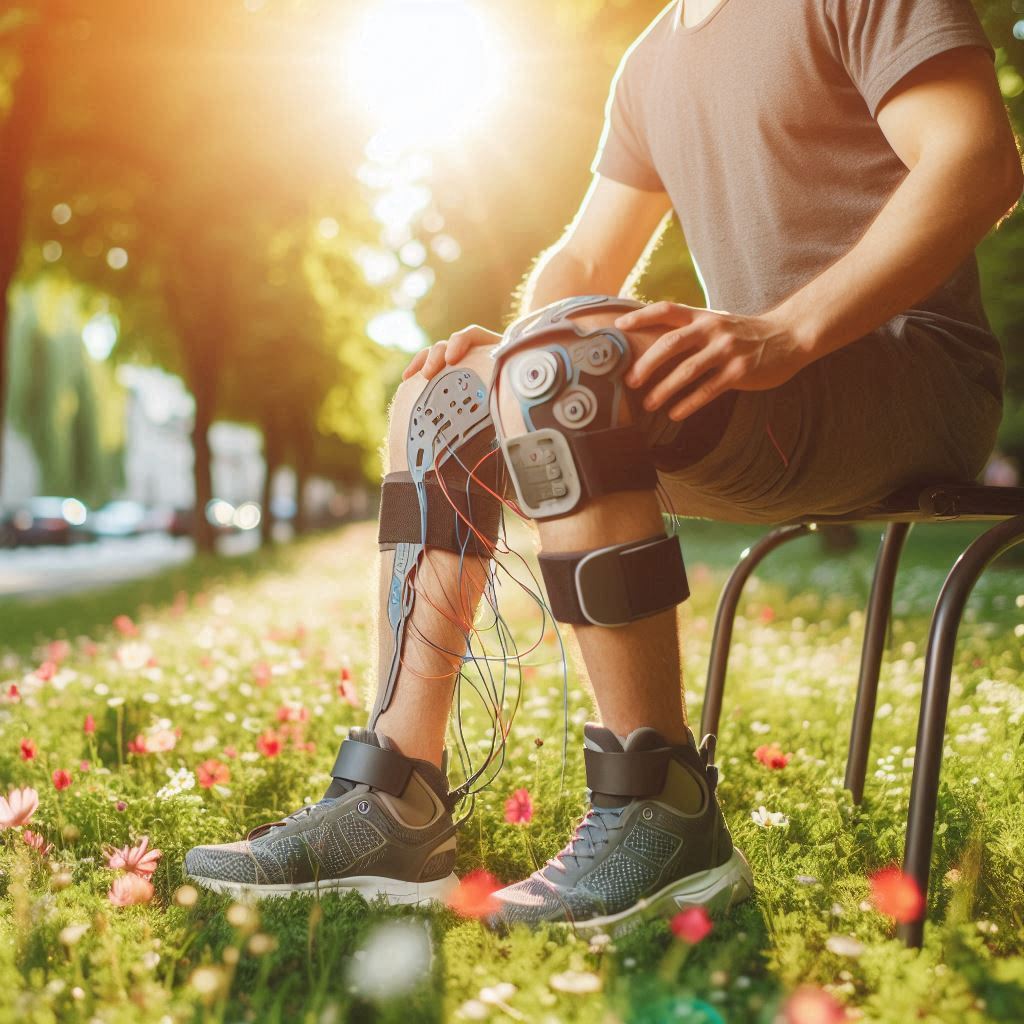
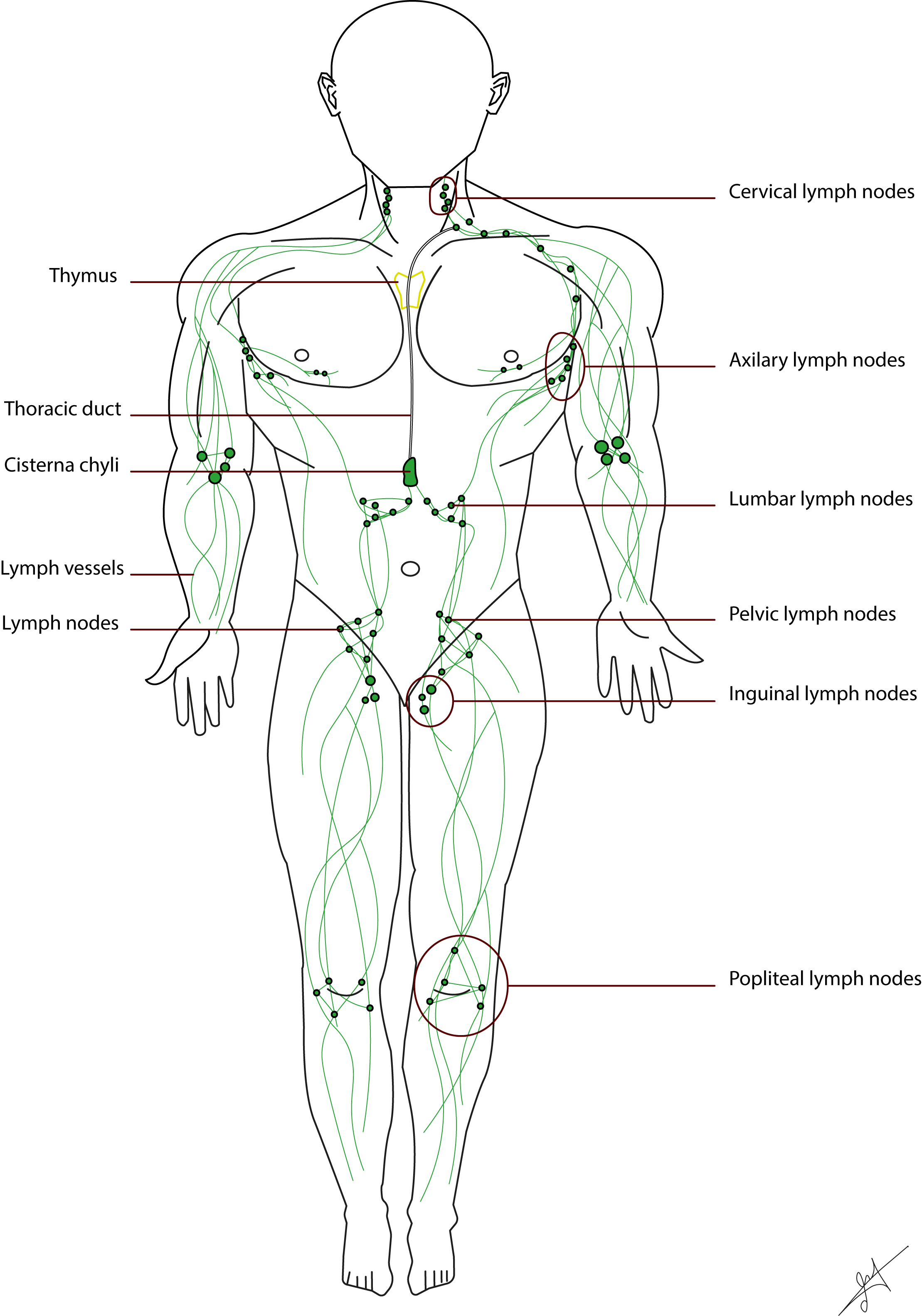
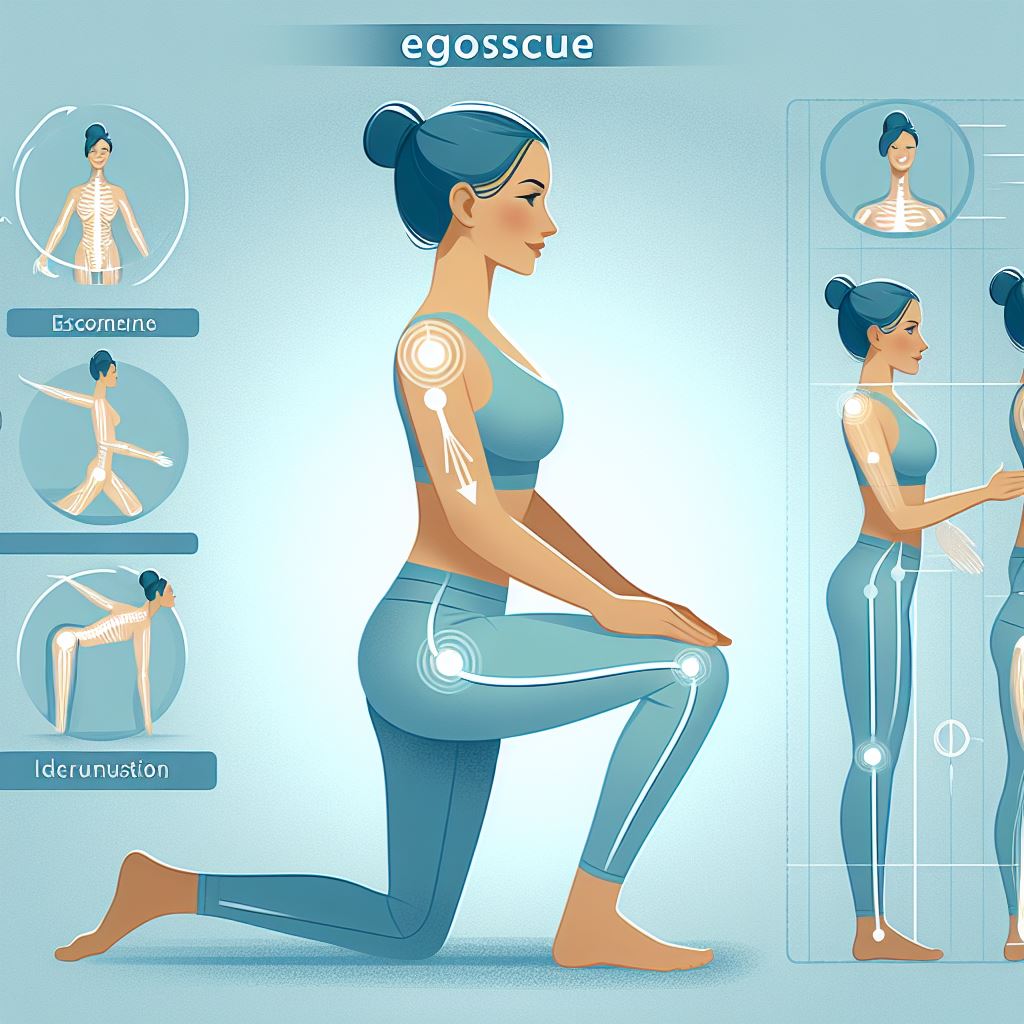


[…] Robotics and Virtual Reality in Neurorehabilitation […]
It’s really good stuff. Thank you,
Thank you for sharing your knowledge.
I appreciate your effort. Thank you.
I was in search of such a good article. Thank you.
hi. please keep moving.
hi there. keep it on.
nice.
how about writing about spiritual connects.
I wish to know more about other topics in physiotherapy.
Hi.Nice content
i would love you connect with these types of articles in future.
Hi. nice one.
“I’m curious to uncover what inspires you.
hi. keep it on.
Greetings Friend,
I trust this message finds you in excellent health and spirits.
hi
what an amazing content. thank you.
Can I do this if I’m currently on medication? Should I consult a doctor first?
Can I do this if I’m currently on medication? Should I consult a doctor first?
How long does it usually take to see results from this approach?
Are there any side effects or risks I should be aware of before starting this?
How does this method compare to intermittent fasting? I’m curious which is better long-term.
Do you have an ebook or course for this? I’d be interested in learning more in-depth.
Thank you for linking the products—makes it easy to start implementing these tips.
Is there a discount code for the tool you suggested? Would love to try it.”
Have you tried the organic version of this product? Wondering how it compares to the one you recommended
Is this advice suitable for people over 50 as well?
I bought the supplement you mentioned through your link and it’s been great so far. Thanks for the rec!
Would love to see a video or infographic for this! Great read.
Can you share any real-life success stories using this approach?
What are your thoughts on red light therapy in relation to this? Could be an interesting update!
Super helpful article! It’s hard to stay consistent, but this gave me motivation.
Do you have a part 2 of this post or a printable checklist version?
Which of these tips do you personally follow daily? Would love to hear your routine!
“Loved this guide. Could you recommend any supplements or tools that go along with this?”
“I’ve been struggling with this issue for months. Trying your tips now—will report back with results!”
“This post helped me understand the importance of gut health so much better. Do you have a recommended probiotic?”
“Thanks for breaking this down! It’s so hard to find clear, science-backed health info these days.”