
Lymphatic Drainage Massage
Lymphatic drainage is a therapeutic technique designed to stimulate the flow of lymph, a clear fluid that helps rid the body of toxins, waste, and other unwanted materials. The lymphatic system is a crucial part of the body’s immune system, helping to fight infection and disease.
During lymphatic drainage therapy, a trained therapist uses gentle, rhythmic massage techniques to encourage the movement of lymph fluid through the lymphatic vessels. This can help reduce swelling, improve circulation, and enhance the body’s ability to remove toxins and waste products.
Lymphatic drainage is often used as a treatment for conditions such as lymphedema (swelling caused by fluid retention), as well as to promote healing after surgery or injury. It can also be used as a detoxification method and to boost the immune system.
What exactly is fibromyalgia?
Introduction
Fibromyalgia is a chronic condition in that causes pain and tenderness throughout the body. Other symptoms may include joint and muscle stiffness, fatigue, numbness and tingling sensation in arms and legs, insomnia, hyperesthesia (hypersensitivity) to light, noise, odors and temperature as well. Occasionally, faces digestive issues such as bloating and constipation. Swollen lymph nodes is one of the most important signs of Fibromyalgia.
Causes of Fibromyalgia
Fibromyalgia is predominantly seen in female than male. Primarily, Fibromyalgia is considered as a genetic disorder but sometimes it is also seen in patients without family history. People with pre-existing conditions like SLE (Systemic Erythematous Lupus), Rheumatoid Arthritis (RA), Ankylosing spondylitis (AS) are more prone to get Fibromyalgia.
Preventive measures for Fibromyalgia
Since the etiology of Fibromyalgia is not known to the researchers yet, prevention method to it is very difficult to assign. But we can practice some measures like
- Consuming less antibiotics which is responsible for other conditions like RA which is again accountable for Fibromyalgia.
- Managing stress
- Good Sleep hygiene
- Balanced diet
- Daily exercise habits
- Other dos and don’ts for Lymphatic health are essential
Treatment of Fibromyalgia
If you are diagnosed with Fibromyalgia, there is no need to worry much because with advancement of medical treatments we have lot of measures to treat the symptoms of Fibromyalgia.
Treatments include:
Treatment protocol for Fibromyalgia is according to the patients’ symptoms which may include:
- Non-pharmacological treatment: Physical therapists play an important role in this treatment as they provide some stretching and strengthening exercises to relax and strengthen the muscles, relaxation techniques to relieve stress. Massage therapist perform some Manual lymphatic drainage massage so that the accumulated lymph are drained.
- Psychological Treatment: Psychiatrist or psychologist will help you with managing stress. Mental and emotional balance strategies is planned by them. Yoga and meditation techniques which deal with connecting physical, mental and spiritual body, will also be helpful in this condition which
- Pharmacological Treatment: In case of emergency, some over-the-counter (OTC) medicine can be taken by own such as aspirin, paracetamol, acetaminophen. But doctor’s advice is crucial for proper treatment and prescription of medicine.
- Daily Functioning: Physical therapist and Occupational therapist will help you with easing Activity in Daily Living if you are experiencing severe symptoms.
Understanding The Lymphatic System:
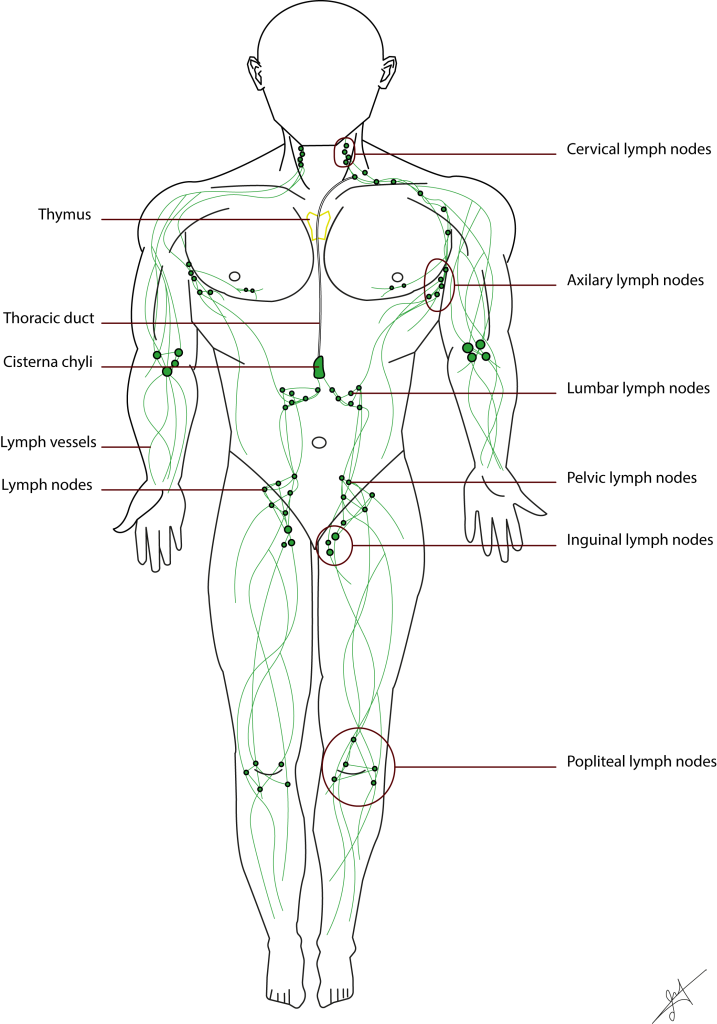
The lymphatic system is often described as the unrecognized hero of our body’s defense mechanisms and fluid balance. While it may not receive as much attention as other bodily systems, its significance in maintaining overall health cannot be overstated.
Lymphatic system is very important system of the body which is also known as a subsystem of the circulatory system which consists of Vessels, tissues and organs.
This system helps maintain fluid balance in the body by collecting excess fluids and debris from the tissues and then depositing it into the bloodstream. It also defends the body against infection by supplying disease-fighting cells called as Lymphocytes.
Understanding the lymphatic system’s functions and how to care for it properly is essential
for anyone interested in optimizing their well-being. From the key roles it plays in fluid
balance, immune response, and nutrient absorption to the various practices that support its
health, there’s much to explore when delving into the world of lymphatic wellness.
The Importance of the Lymphatic System:
At its core, the lymphatic system serves several critical functions that contribute to our
overall health. This system helps in
- Fluid balance
- Immune response
- Nutrient absorption.
Maintaining Lymphatic Health:
Keeping the lymphatic system healthy is key to supporting its vital functions and promoting overall well-being. Fortunately, there are several simple yet effective strategies for caring for the lymphatic system.
Here are some of the measures which you can follow for optimum lymphatic health.
- Regular exercise
- Hydration
- Balanced diet
- Deep breathing
- Dry skin brushing
- Avoid tight clothing
To sum up, it can be presumed that by maintaining lymphatic health, fibromyalgia can also be prevented.
Role of Lymphatic Drainage In Fibromyalgia
Research has shown that MLD, a specialized massage technique that stimulates lymphatic flow, can help reduce swelling and improve quality of life for individuals with Fibromyalgia. In contrast to traditional massage techniques, MLD apply less pressure on the skin and tissue which helps stretch the muscles and fascia underneath skin and muscles.
Fascia, a network of connective tissue rich in pain-sensing nerves, tightens due to the brain’s ‘fight or flight’ response, leading to pain and inflammation.
So when our muscles get tight or when we get slightly acidic or dehydrated, our lymphatic system can no longer pick up cellular waste and other debris in your body effectively which forces the waste to build in your tissues.
As this waste builds in your tissues, it becomes more acidic and more inflamed. It is sustained tightness of fascia that can cause pain, generates inflammation and creates knots in muscles known as trigger points.
MLD helps by promoting waste removal and reducing inflammation. As the main goal of treatment in Fibromyalgia to reduce pain and swelling, MLD aids in dealing with both the major symptoms.
Studies also support MLD’s effectiveness in reducing pain, stiffness, and improving sleep in fibromyalgia patients.
MLD Versus ELD: Understanding the Contrast
Manual lymphatic drainage (MLD) offers several advantages over electrical lymphatic drainage (ELD) in certain situations.
Firstly, MLD provides a hands-on, personalized approach where a trained therapist can tailor the treatment to the individual’s specific needs, adjusting pressure and technique accordingly. This personalized touch allows for a more precise and effective treatment, especially for individuals with varying levels of sensitivity or specific health conditions.
Additionally, MLD involves human touch, which can enhance relaxation and promote a sense of well-being during the session. Furthermore, MLD allows the therapist to assess the individual’s response in real-time and make immediate adjustments as needed. While ELD devices can provide consistent stimulation, they may lack the intuition and adaptability of a skilled therapist.
Overall, MLD’s personalized approach, human touch, and adaptability make it a preferred choice in many cases over ELD.
Conclusion
In conclusion, manual lymph drainage techniques offer a promising approach for easing the debilitating symptoms of fibromyalgia. By gently manipulating the lymphatic system and fascia, these techniques address the underlying causes of pain, swelling and inflammation. Research supports their effectiveness in reducing pain, stiffness, and improving sleep quality for fibromyalgia sufferers.
While it’s important to consult with a professional and undergo a few sessions to gauge individual response, integrating manual drainage techniques into a comprehensive self-care regimen can provide significant relief and help manage flare-ups. With dedication to ongoing maintenance and self-care strategies, individuals living with fibromyalgia can find valuable support in these gentle yet powerful therapies.
By adopting simple yet effective strategies for caring for the lymphatic system, such as regular exercise,hydration, and healthy eating, we can support its optimal function and promote overall well-being.
Additionally, MLD is better than ELD due to it’s personalized approach and human touch which will give more security and detailed drainage of the lymph which is the most essential part of the treatment.
Note: We advise You to seek medical help or visit Physical Therapist to get assessed and plan for further treatment.


